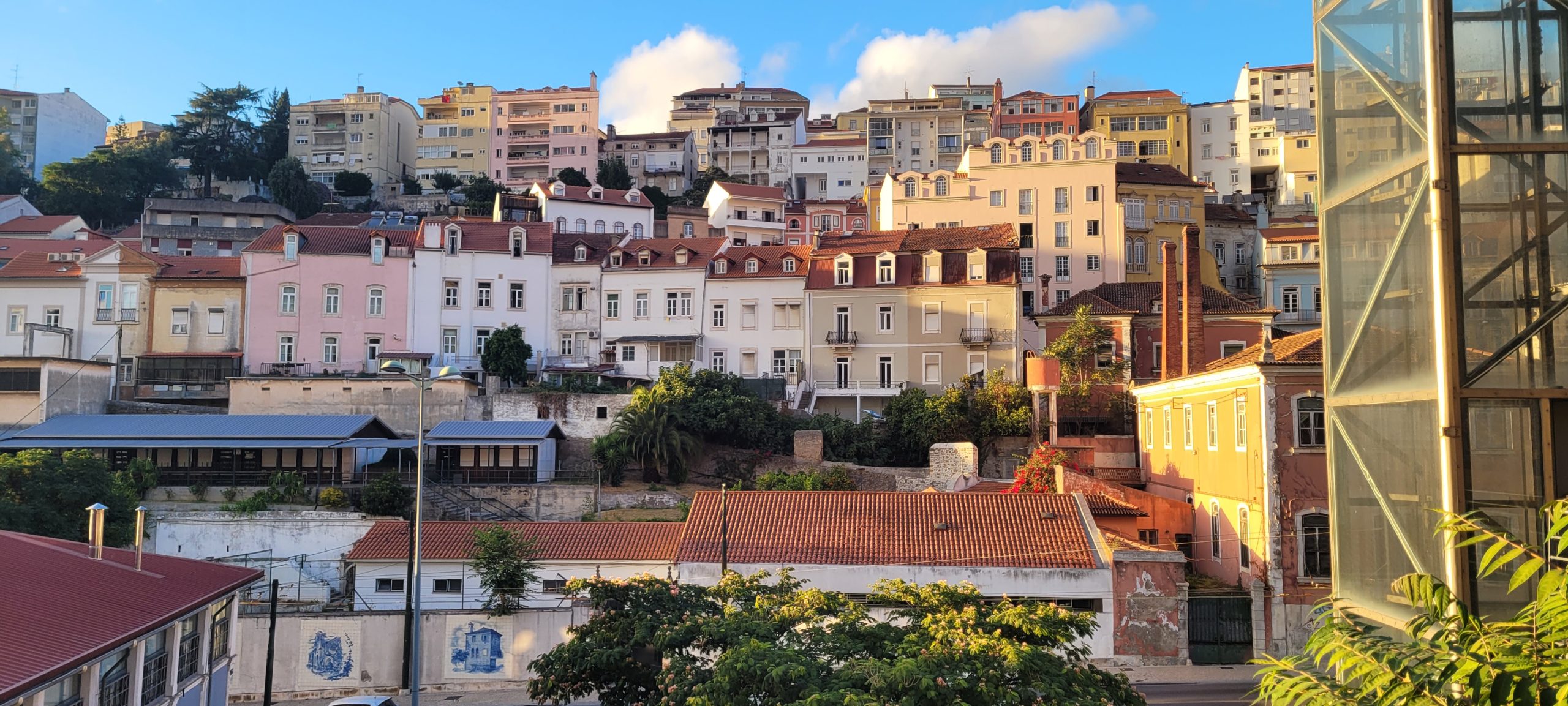
Experiencing Coimbra: A Journey of Discovery as an American Immigrant
When I first arrived in Coimbra, I expected history. What I didn’t anticipate was how quickly this small Portuguese city would begin to feel like home. Coimbra offers a rare combination: deep historical roots, a relaxed pace of life, excellent food, and a strong sense of community—all without the crowds and cost of Portugal’s larger cities.
Located along the Mondego River in central Portugal, Coimbra is best known as the country’s former capital and home to one of the oldest universities in Europe. But living here is about far more than postcards and monuments—it’s about daily life, traditions, and the subtle joys of slowing down.
A City Shaped by History
History isn’t something you have to search for in Coimbra—it surrounds you.
The heartbeat of the city is the University of Coimbra, founded in 1290 and now a UNESCO World Heritage Site. Walking through the university grounds feels like stepping into another century. The highlight of the university tour is the Joanina Library, an 18th-century Baroque masterpiece filled with gilded woodwork, frescoed ceilings, and thousands of ancient books. Even after multiple visits, it never loses its magic.
Just downhill, the Sé Velha (Old Cathedral) stands as a reminder of Coimbra’s medieval past. Its fortress-like Romanesque architecture reflects a time when the city played a central role in Portugal’s formation. Nearby, narrow cobblestone streets wind through the Almedina, the historic old town, where laundry hangs from balconies and neighbors still greet one another with double kisses and a hug.
Across the river, Santa Clara-a-Velha and Santa Clara-a-Nova tell the story of Queen Santa Isabel and the flooding that shaped this part of the city. This side of the Mondego is more relaxed and offers stunning views back toward the old town.
Food: Simple, Comforting, and Full of Flavor
I always say Portuguese food is like American soul food – its the food borne from the bounty of the land, the resilience of the people, and you can almost taste the pride.
From frango, to bacalhau, to leitão and beyond, there’s a delicious option for every palate. Of course, any of these mouthwatering options has to be accompanied by a perfect glass of Portuguese wine. Whether it be from the Alentejo or the Douro, red, white, or vinho verde, it’s almost certain to be delicious.
Dessert culture is strong here, thanks to Portugal’s convent sweets tradition. Pastéis de Tentúgal, delicate egg-yolk pastries wrapped in paper-thin dough, and Rosas da Rainha, which remind me of miniature sweet potato pies, are a must. Enjoy them slowly with an espresso at a neighborhood café, where lingering is encouraged and never rushed.
Culture, Traditions, and Everyday Life
Coimbra’s culture is deeply influenced by its student population and long-standing traditions. One of the most moving experiences is Fado de Coimbra, a distinct style of fado traditionally sung by male university students dressed in black capes. Unlike Lisbon fado, Coimbra’s version is more academic and poetic, often performed at night in quiet courtyards or on stone steps. Did you know Coimbra has its own distinct style of Fado guitar?
Each spring, the city comes alive during Queima das Fitas, a week-long celebration marking the end of the academic year. There are parades, concerts, formal ceremonies, and plenty of emotion as students celebrate both endings and new beginnings. They also consume enough beer to rival Oktoberfest.
On a daily level, life in Coimbra feels grounded. Local markets like Mercado Dom Pedro V offer fresh produce, cheeses, and fish. Shopkeepers remember you and make you feel like a true member of the community. Neighbors chat. Time stretches in a way that encourages presence rather than productivity.
Living in Coimbra as an American immigrant has taught me to appreciate depth over speed, tradition over trends, and connection over convenience. It’s a city that invites you to slow down, learn its rhythms, and become part of its story rather than just a visitor passing through.
If you’re looking for a place in Portugal that blends history, culture, affordability, and genuine daily life, Coimbra may surprise you—in the best possible way.