Moving to Coimbra, Portugal: What Americans Should Know Before Relocating
If you’ve spent untold hours down the moving to Portugal rabbit hole, you’ve likely narrowed your search to Lisbon or Porto. That’s understandable — they dominate headlines and the number of YouTube videos devoted to those two cities seems endless.
But if you are looking for depth, stability, affordability, and cultural credibility, we need to talk about Coimbra.
As an American who relocated here more than three years ago, I want to give you a clear, grounded perspective — not a romanticized travel brochure version, and not an “expat” rant. Just the truth, informed, unvarnished, and thoughtful.
Why Consider Coimbra Over Lisbon or Porto?
Coimbra sits strategically between Lisbon and Porto — about two hours to Lisboa and one hour to Porto, if traveling by train. That location alone makes it practical.
But what truly distinguishes Coimbra is this:
It is Portuguese first. International second.
For Americans who say they want “authentic Portugal,” this is what that actually looks like:
- Fewer digital nomads
- Lower housing costs
- Less tourism saturation
- Strong local community identity and opportunity for true integration
- A slower, more intentional pace of life
If you are relocating for lifestyle — not status — Coimbra deserves serious consideration.
The Intellectual Capital of Portugal
Coimbra is home to the historic University of Coimbra, founded in 1290. It is one of Europe’s oldest universities and a UNESCO World Heritage Site.
This is not just a fun fact — it shapes the city’s identity.
The university crowns the old town and includes the extraordinary Joanina Library, one of the most beautiful libraries in the world. The academic presence creates a city that feels thoughtful, cultured, and rooted in centuries of scholarship.
You feel it in conversations. You feel it in traditions. You feel it in the celebrations throughout the year. Queima das Fitas (Burning of the Ribbons) always make me emotional and fills me with reverence for the traditions that endure here. I love the University students and how the city embraces them.
For families, retirees, and professionals alike, that intellectual infrastructure matters.
Culture That Isn’t Manufactured for Tourists
Coimbra was once the capital of Portugal, and that medieval heritage is still visible in its architecture and layout. Landmarks like the Sé Velha stand as reminders of Portugal’s early formation as a nation.
But culture here isn’t preserved behind stone structures. It’s felt in the daily rhythm of life here.
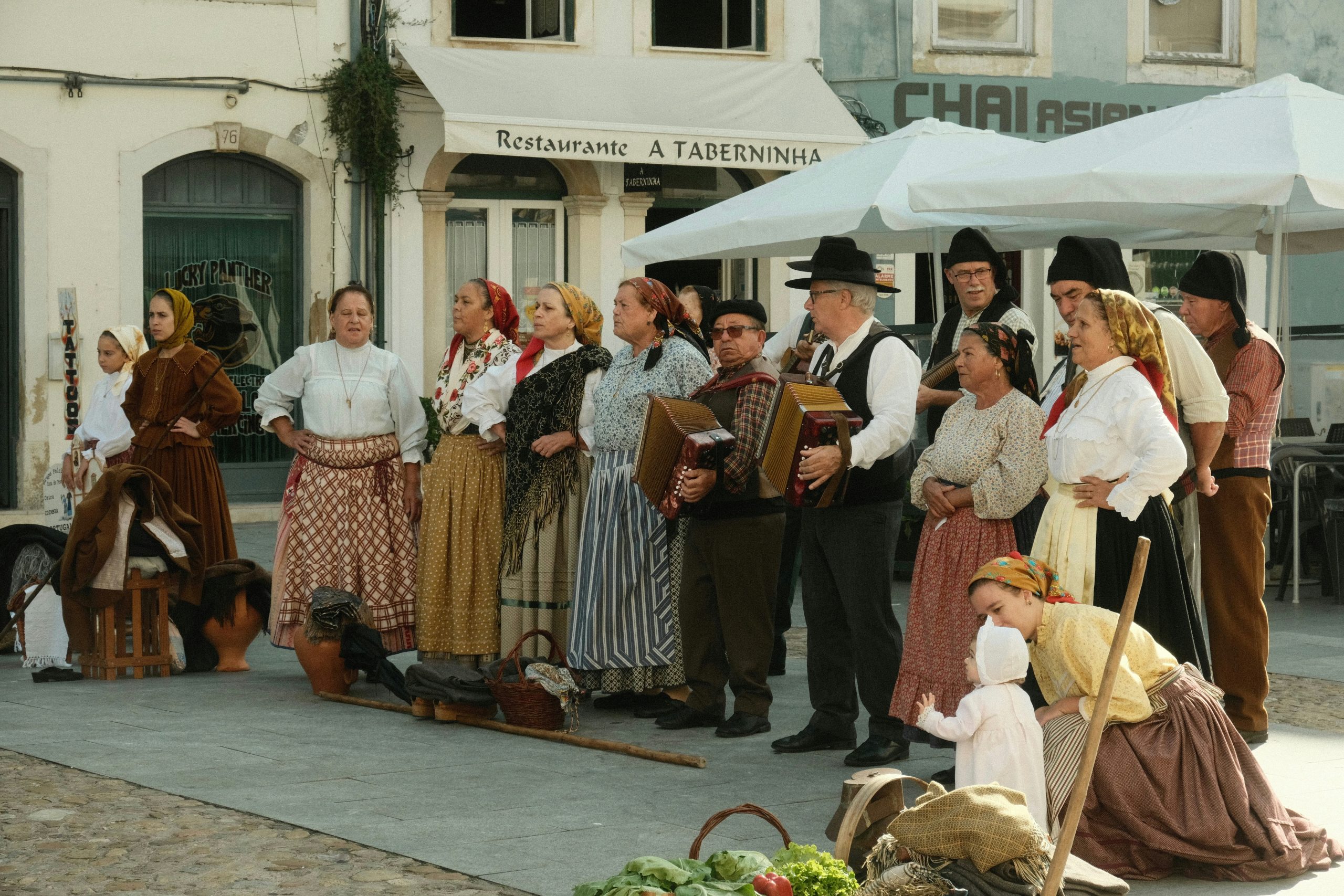
You’ll hear Fado de Coimbra performed by students in black capes — not as a commercial show, but as tradition. Tradition that makes you stop in mid-stride while exploring the Baixa. You’ll walk through neighborhoods where life unfolds organically, not curated and staged for Instagram.
This matters if your goal is integration rather than observation.
Food: Traditional, Regional, and Unapologetically Portuguese
If you are moving from the U.S., your palate will be pleased.
Coimbra’s cuisine leans into regional dishes:
- Leitão (roast suckling pig)
- Chanfana (slow-cooked goat or lamb in red wine)
- Bacalhau prepared in countless variations
- Pastéis de Tentúgal, a delicate regional pastry (however, my personal favorite is the rosa da rainha)
This is not a fusion-food capital. It is seasonal, local, and rooted in tradition. If you value culinary authenticity over trend cycles, you’ll appreciate it. Much of my produce is purchased from my favorite organic farmer here, Dona Rosa. Not only is the food amazing, they deliver it to your door! I admit, Coimbra has me spoiled. I hope the city and her people feel my deep love in return.
Cost of Living in Coimbra: The Strategic Advantage
Let’s be practical.
Compared to Lisbon:
- Property prices are significantly lower
- Long-term rentals are more attainable
- Dining and daily expenses are modest
- Parking is realistic
- Bureaucratic processes are often less congested
For Americans relocating with retirement income, remote U.S. salaries, or investment capital, Coimbra allows you to live comfortably while also beingmindful of our impact on the quality of life for the locals and not being a disruptive force.
That distinction matters.
What I Tell My Clients Honestly
Coimbra is not for everyone.
It is not high-energy nightlife.
It is not hyper-international.
English is spoken, but not universally.
Winters can be damp. Summers are warm.
But here is what it offers in return:
- Safety
- Stability
- Intellectual heritage
- Central access to beaches and mountains
- A genuine Portuguese lifestyle
- Warm and welcoming people who are proud to share their culture and heritage if you are curious and respectful
If your relocation goals include integration, financial prudence, and long-term livability, Coimbra aligns beautifully.
If you need constant stimulation and rapid growth infrastructure, you may prefer Lisbon.
The key is alignment — not hype.
Should Americans Move to Coimbra?
If you are:
- Retiring in Portugal
- Working remotely for a U.S. company
- Seeking a culturally immersive environment
- Prioritizing affordability without sacrificing quality
- Looking for a city with depth rather than flash
Then Coimbra should absolutely be on your shortlist.
Relocation is not about chasing the most talked-about city. It’s about choosing the city that fits your next chapter strategically and emotionally.
For me, Coimbra offers balance — history without stagnation, affordability without compromise, culture without chaos, community without displacement of my new countrymen.
If you are seriously considering relocating to Portugal, take the time to understand Coimbra properly. It may not shout the loudest — but it speaks with quiet authority.
And sometimes, that’s exactly what you want in a place you plan to call home.






Excellent synopsis. It really lays out a cogent and thorough case for choosing Coimbra as your landing spot.
Thank you for reading and your feedback. It is a beautiful city with much to offer.